Cooking - Cataloging Recipes
Cooking - Cataloging Recipes
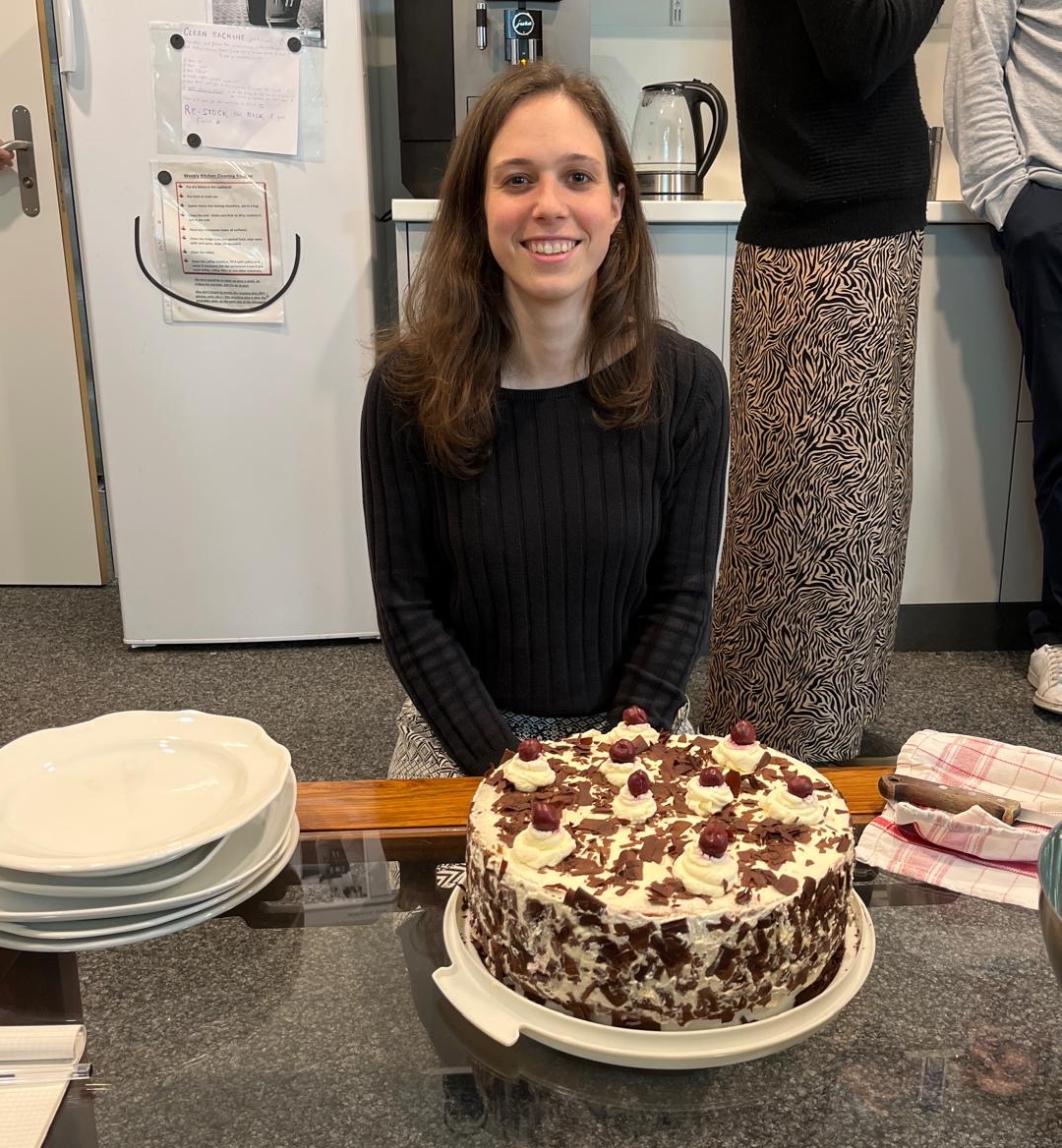
Cataloging recipes has been one of my longest passions. It began with a handwritten notebook, later evolved into a digital collection that I typed up, printed, and organized alphabetically in a folder. Now, I’ve taken it one step further by creating an online blog where anyone can browse them.

Inspired by my mother, grandmother, and other family members who had their own recipe collections — usually bulky folders containing all kinds of recipes, sometimes journal articles, sometimes handwritten notes and sometimes photocopies — I started my own collection at an early age, thinking I could do it in a more orderly way.
My first recipe notebook
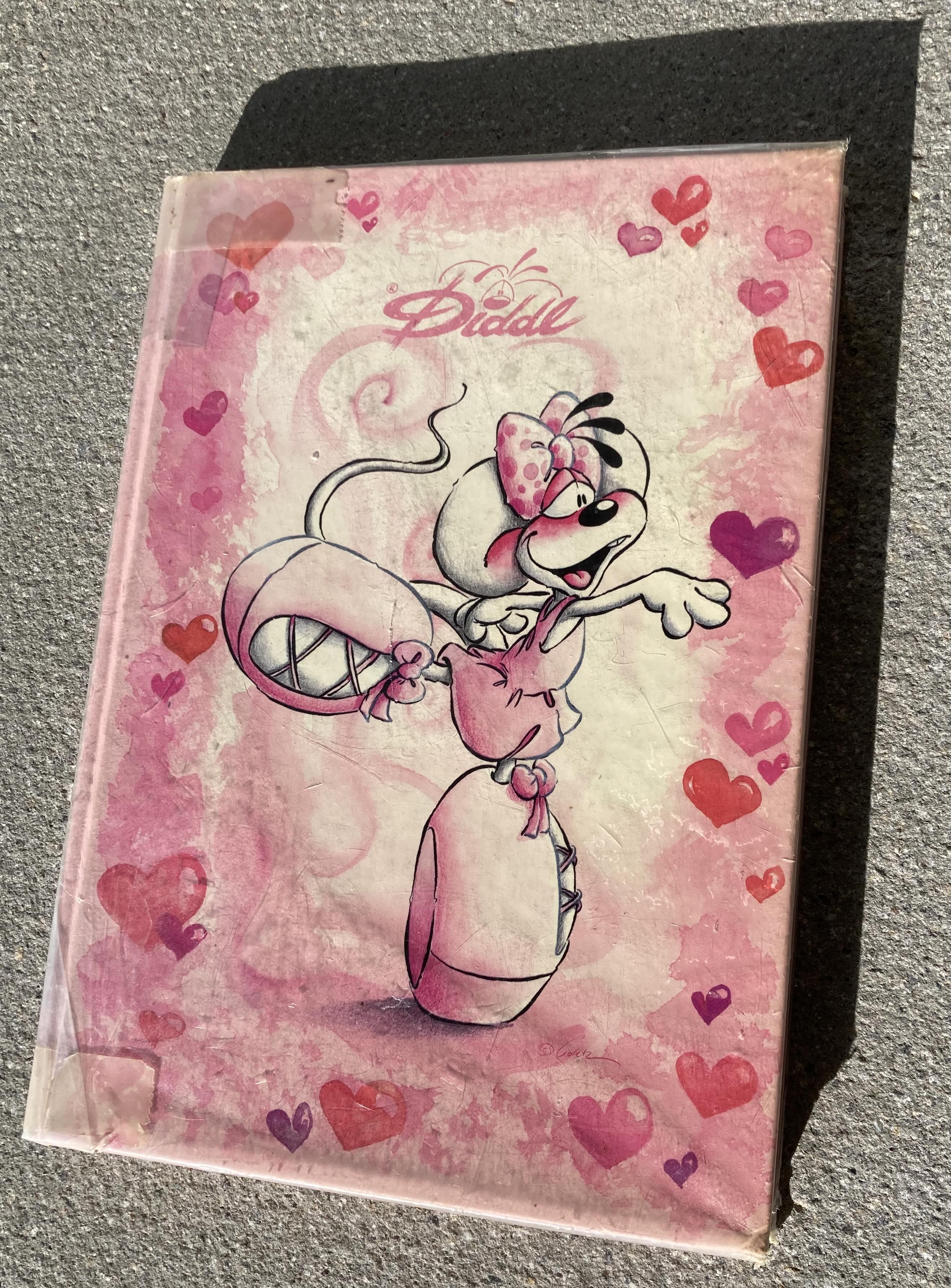
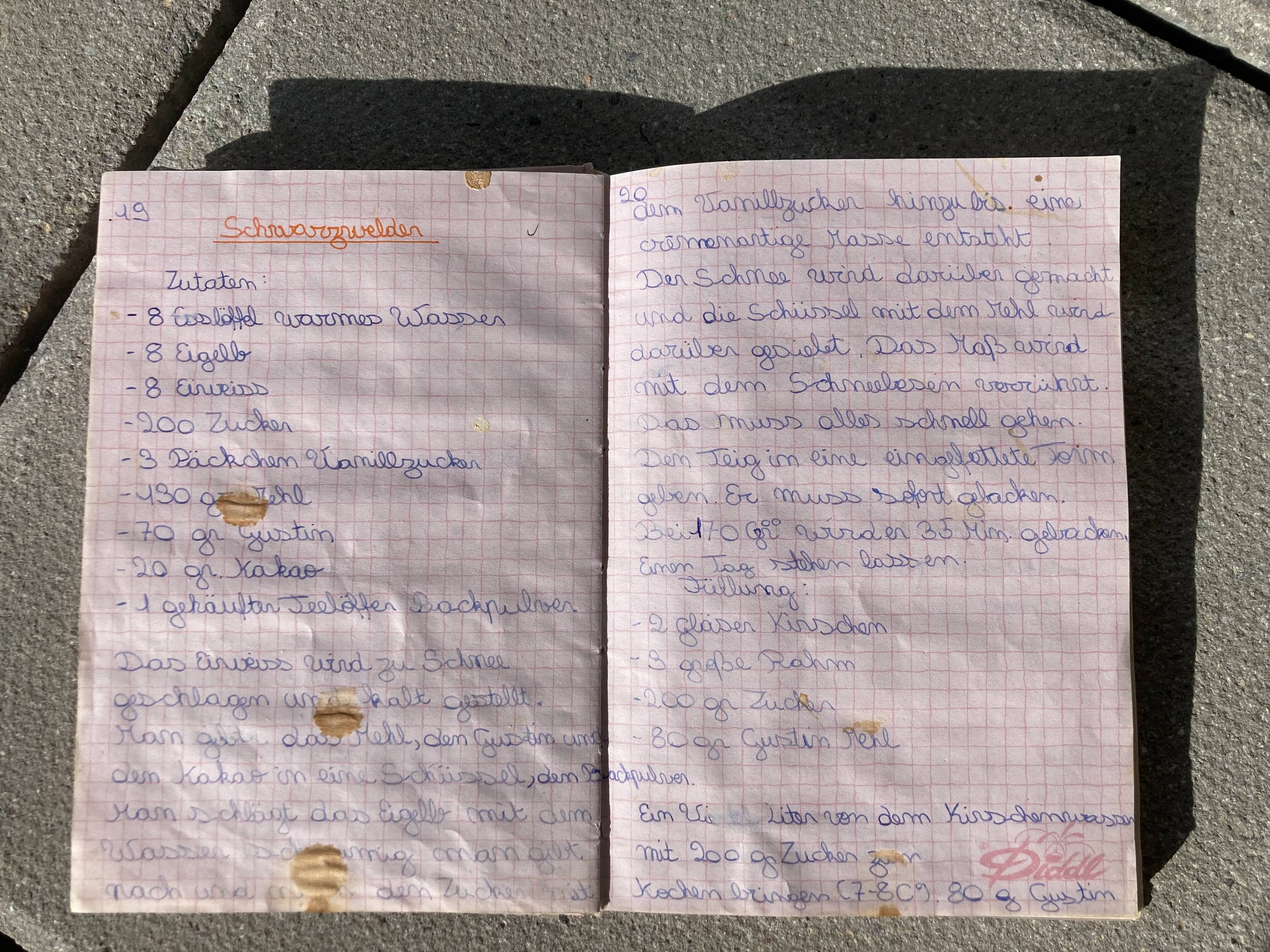
I was about nine years old when I started writing in my own recipe notebook. It began the way many childhood craft projects do: with a pink notebook featuring a trendy comic character of the time, in this case, the Diddle mouse, and a burst of enthusiasm that had me copying one recipe after the other from my mom’s heterogeneous collection. The result was a sort of legible collection of blue ink-written recipes, complete with the signature spelling mistakes of a child. The enthusiasm didn’t last too long, and after 40 recipes the project was closed. Nonetheless, this became my go-to baking book, as evidenced by the many fat and dough stains throughout the pages.
From handwriting to typing
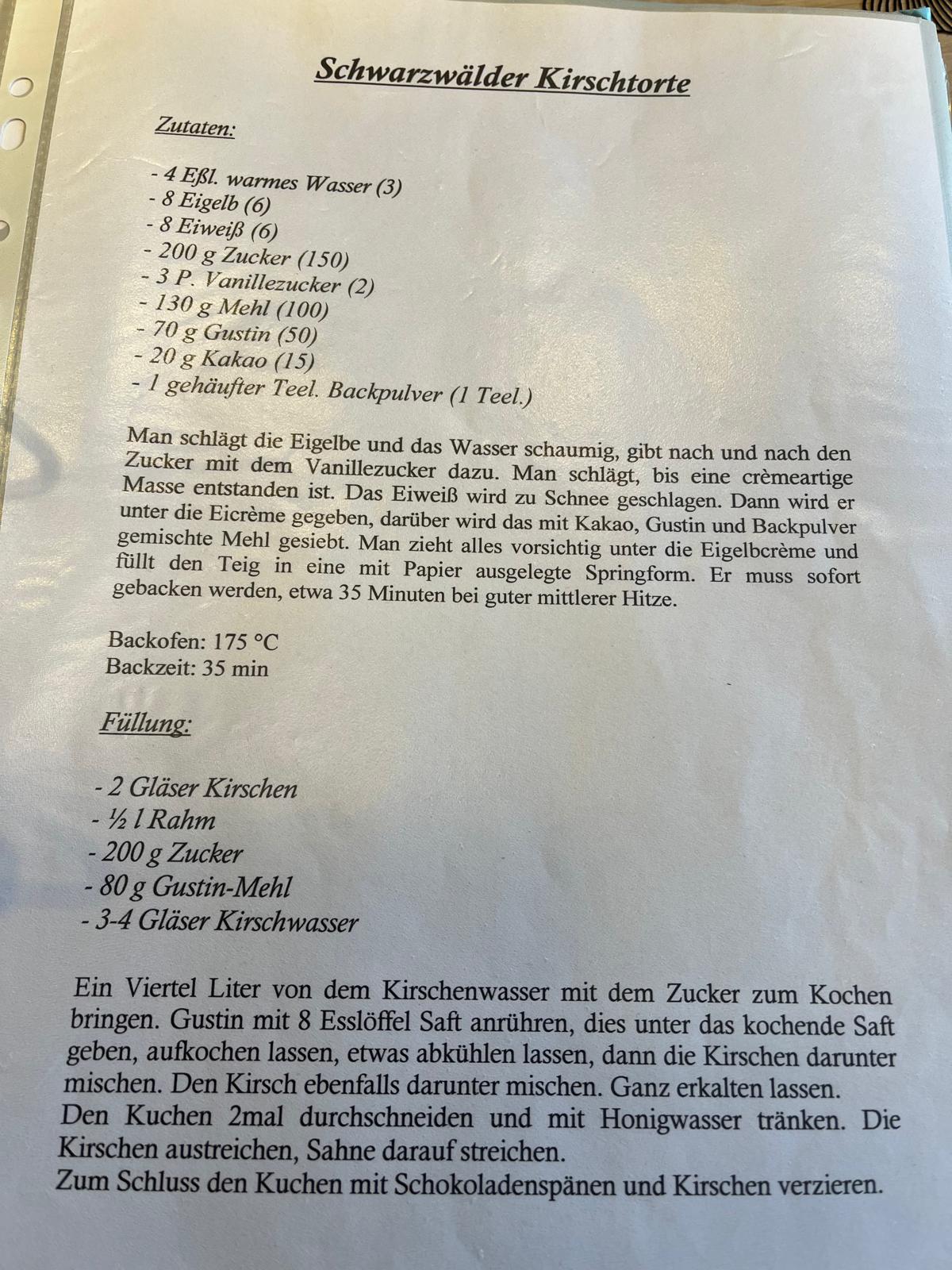
It soon became clear that the usefulness of my recipe collection was limited and that writing every single recipe by hand was quite tedious. The logical next step was to typeset the recipes on the computer, which made it easier to digitally share them and allowed me to print them out and organize them alphabetically in a folder. A major drawback of the notebook had been that recipes followed each other chronologically without any clear order. With the new approach, I could rearrange them dynamically without being tied to when each recipe was written. For the next ten years this became my de facto way of cataloging recipes, and the collection is still actively used today.
Unfortunately, I have since lost most of the digital versions of these recipes. Initially, I was typesetting them on the family laptop, which eventually broke down — my first experience of losing all stored material without a backup. Fingers crossed that won’t happen again.
My Online Recipe Blog
As I moved into bioinformatics and computing, I thought it was about time to take on an online project and test my skills on something personal. Using GitHub Pages with Markdown didn’t seem particularly difficult, and it’s quite common for GitHub users to embellish their profile this way — without the hassle of buying a domain. In the end it took a bit longer than expected: setting it up from scratch turned out not to be an option as my knowledge of HTML and website structure was quite limited. Eventually I found a Jekyll template suited for the task, forked the repository, and did some customization. There were some initial compilation problems and, at the time, no AI chatbot to help resolve them — but eventually it worked, and I had a small proud moment as a newborn web developer.
Compared to my previous collections, this project differed in a few ways. First, it focused on cooking rather than baking. Having left the family home for university, cooking had become much more central to my daily life, and having all recipes in one place is actually quite handy for deciding what to cook next and putting together a shopping list. Second, during university I made some changes to my diet, shifting towards plant-based food, so the recipes listed tend not to contain dairy or meat ingredients — though variations are of course possible. This wasn’t a major lifestyle change since I wasn’t eating much dairy or meat to begin with, but it had the welcome side effect of integrating more legumes into my diet, such as lentils and beans.
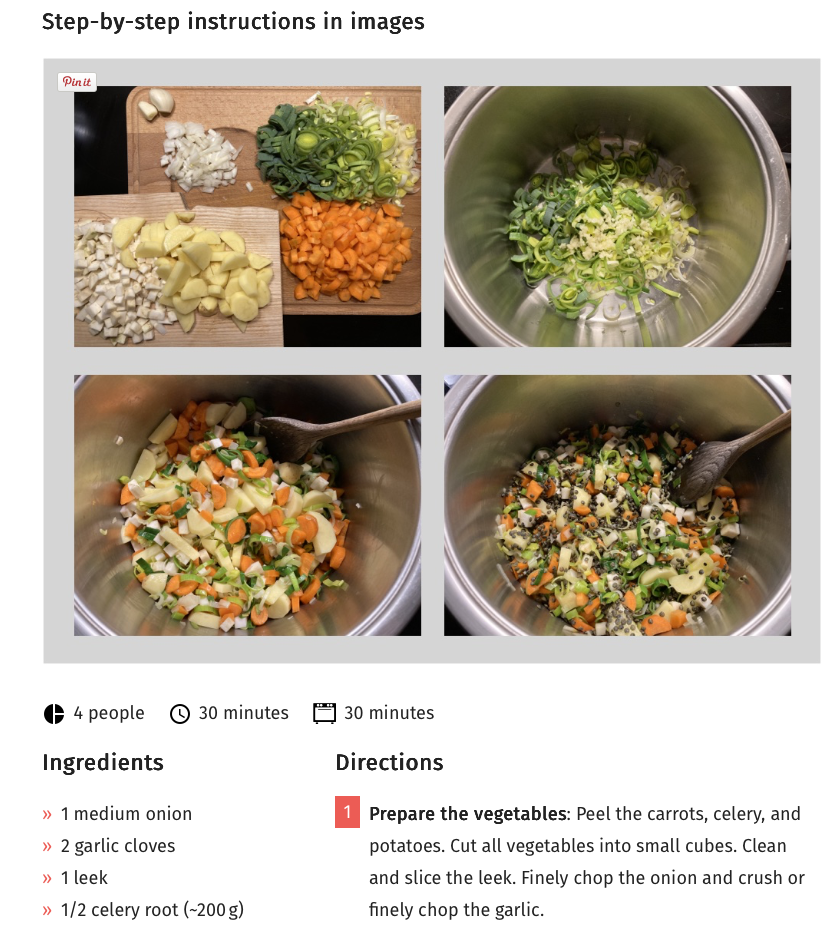
I also changed the language from German to English. German being the first written language children learn in school in Luxembourg, where I grew up, it was the natural choice when I started writing up recipes as a kid — but it turned out to be less universal and limiting when sharing recipes with friends later on in life. I initially considered setting up a multilingual blog, but that was easier said than done, so I simply went with English. Finally, this collection put a strong emphasis on pictures, which is much more feasible to integrate online than in a paper collection. Each recipe contains pictures of the intermediate steps, which I thought might be useful when replicating them. That said, it does require considerably more effort to write each recipe up — which, I’m not going to lie, limits the rate at which I publish them.
It turned out that setting up the website was work enough, but populating it has required even more. Again, most recipes were written up in a burst right after the website launched. I still continue to add them, and at the time of writing this article the collection contains about 30 recipes — though they tend to come in batches followed by long gaps. All in all, I’m quite happy with the result, but there remains room for improvement: more recipes, possibly a page linking to recipes I cook regularly and will probably not add, and importantly, a baking section.
Have a look at the blog here: https://masadler.github.io/Recipes/.
Concluding remarks
Food matters a lot to me — not just the quality and taste of it, but also the stories behind how it is prepared and shared. Tastes evolve over time, as reflected in my shift towards plant-based cooking in my later collections, and in that sense a recipe collection also becomes a small archive of personal history. On the practical side, both the folder and the blog get regular use — the blog especially, and it is easy to share with others (yes, the URL featuring github is not the most intuitive, and no matter how many keywords you add to your Google search, it won’t show up). That said, for all its advantages, an online recipe is not always the most convenient format in the kitchen: activating a screen with possibly dirty fingers or risking a spill on the laptop are real hazards that a simple paper page wrapped in a plastic foil, waiting patiently on the table, handles rather better.
This is my story — and given how personal food and food choices are, I’m sure you have one of your own to share.