Long distance trekking
Long distance trekking
Two long-distance hikes, a lot of uphill, and a few lessons learned along the way.
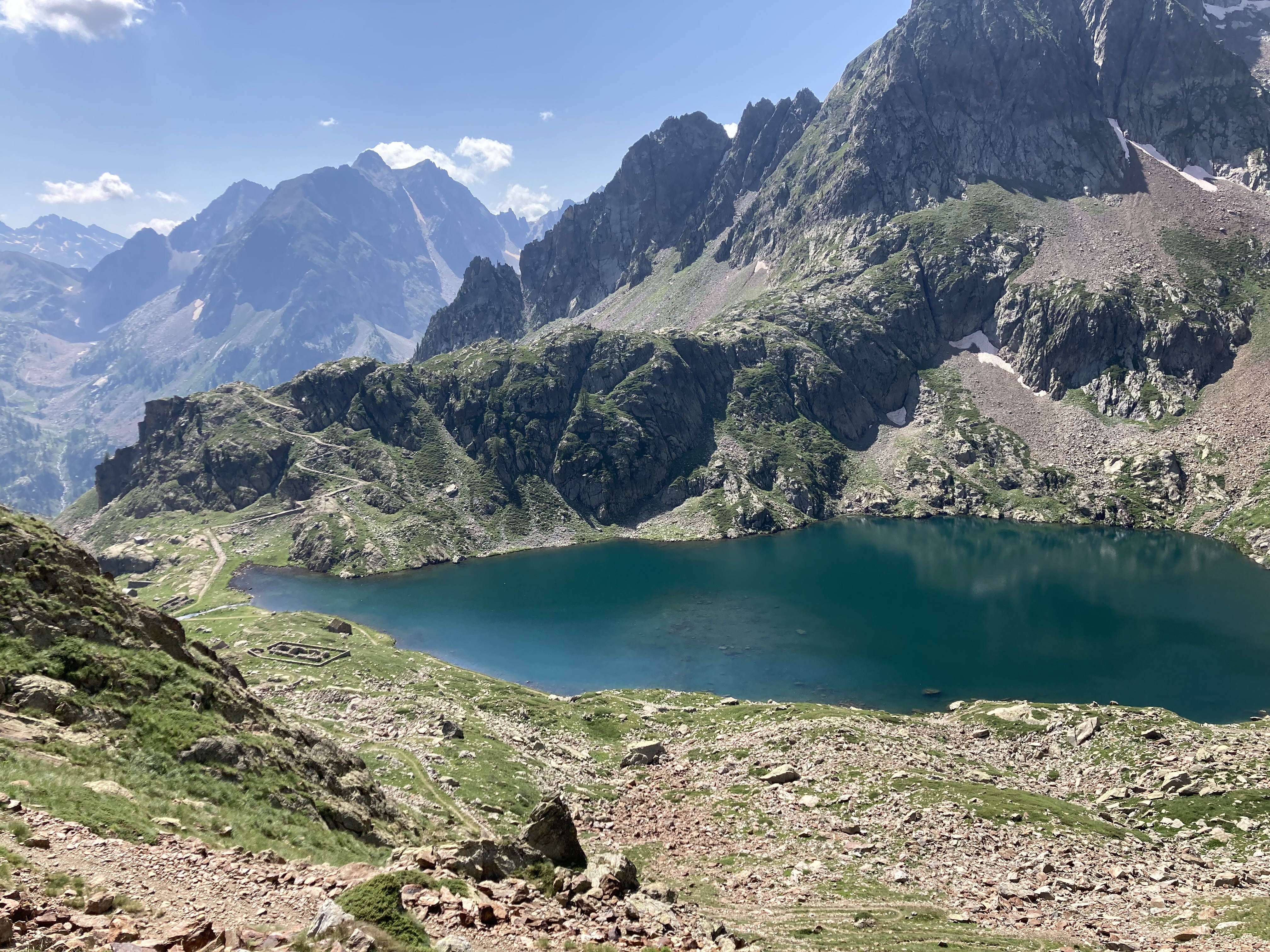
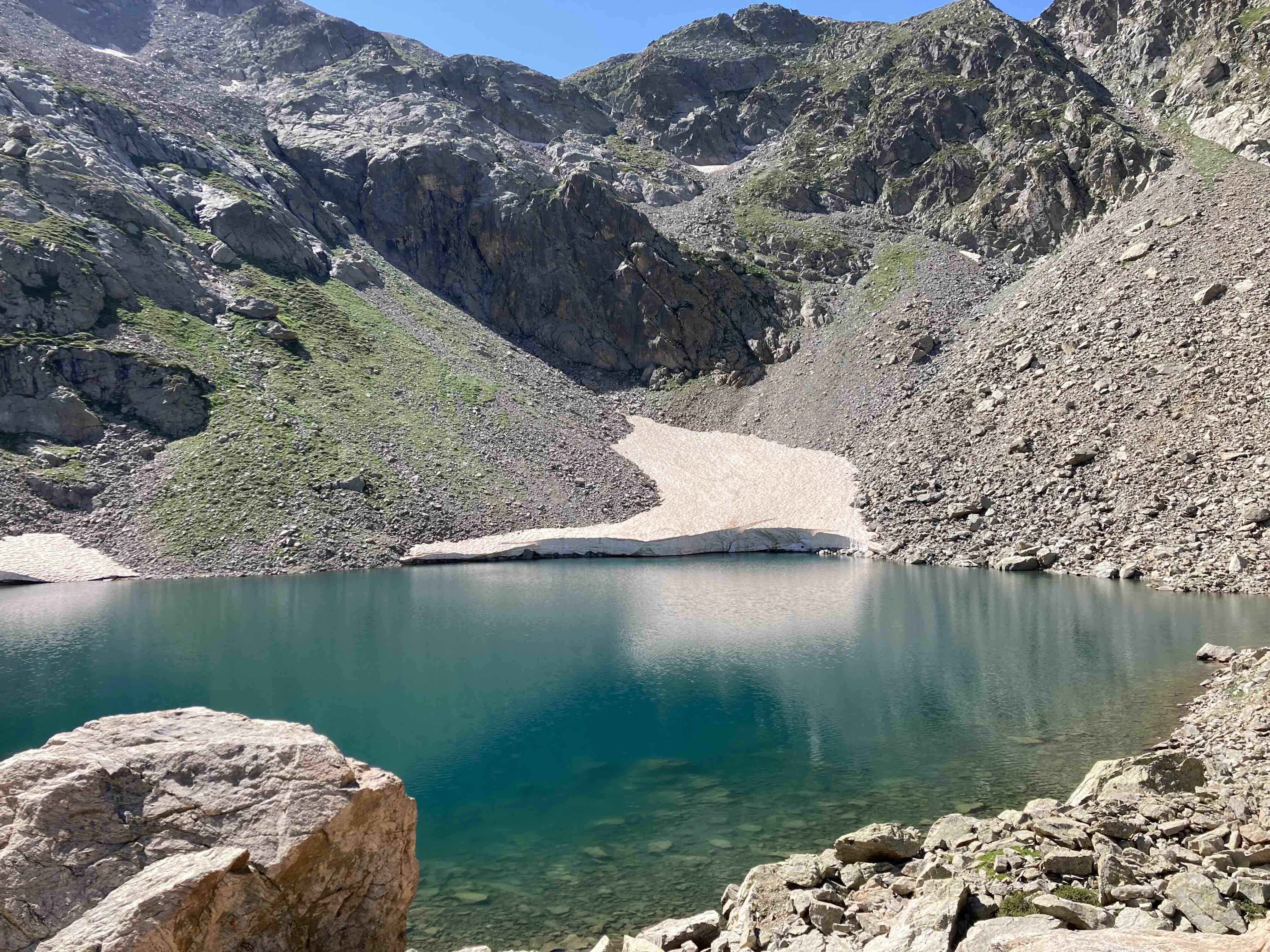
I like challenges, I like mountains, and I like those views where everything stretches out endlessly in front of you. Long-distance trekking ticks all these boxes, and has the added bonus of being a good excuse to escape daily life for a few weeks. It can also be, I’ll be honest, a lot harder than it sounds — but more on that later.
The GR5
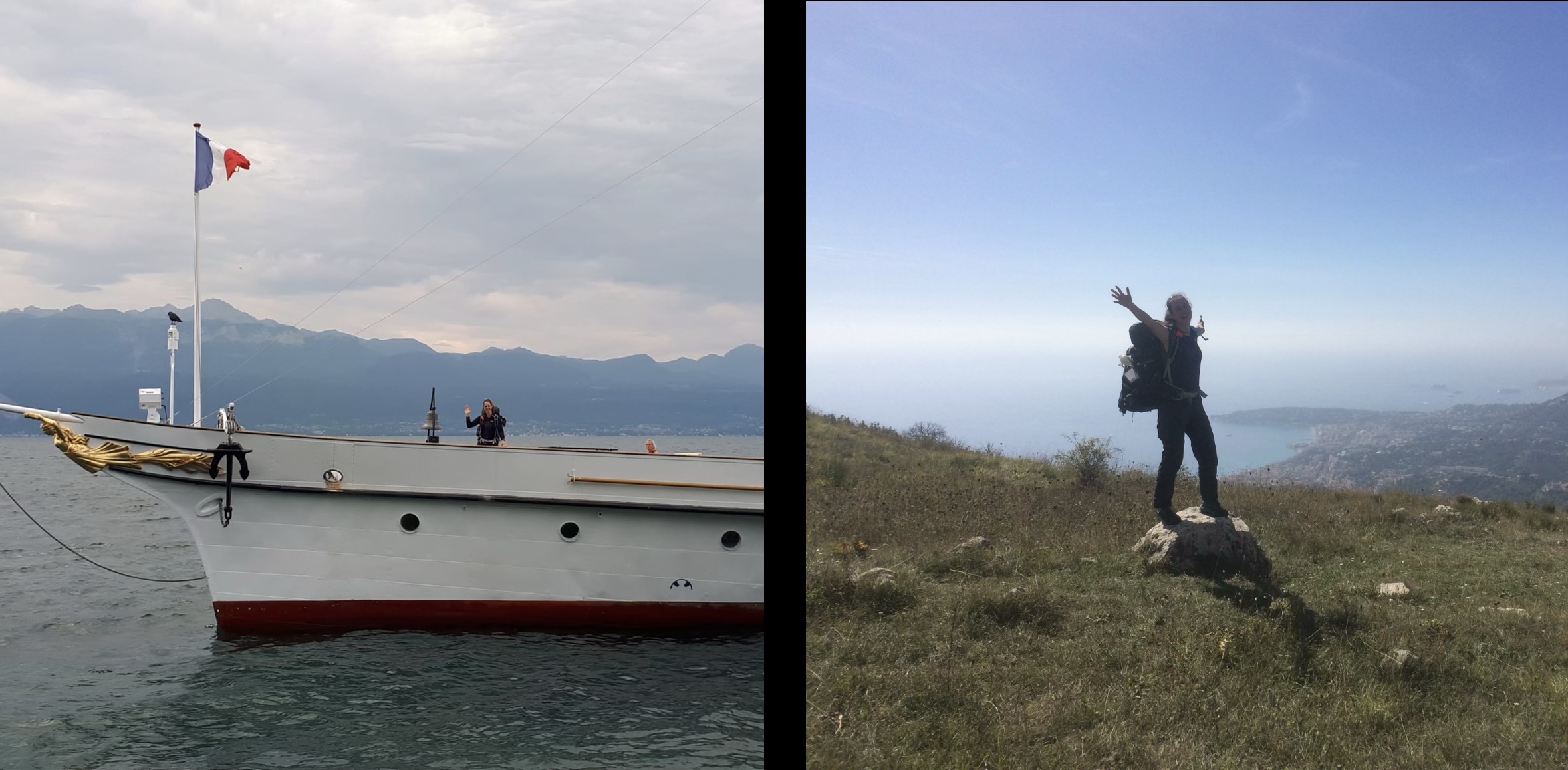
My first long-distance trek was the GR5, a trail running from Lake Geneva to the Mediterranean sea — about 630km and roughly a month of walking. The choice was straightforward: I was living in Lausanne at the time, and the starting point was literally across the lake. The idea was simple and somehow appealing: those mountains I could see every day from the city, I would now walk through them all the way to the sea. A classic summer holiday destination, just reached by foot rather than by train.
The timing was also deliberate. I had just finished my Masters and was weighing up whether to do a PhD. The plan was to use the month of walking to think it through — if after 30 days I still thought it was a good idea, I would go for it. In practice, walking 23km a day leaves less headspace for existential reflection than you might expect, and I was mostly too busy concentrating on not tripping over rocks. I still decided to go for the PhD. No regrets so far.
I organized it so that two friends joined me for parts of the trek, and along the way I met two Englishmen with whom I ended up finishing the last two weeks. One of those chance encounters that you don’t plan for but that end up making the experience — we have stayed in touch and even met up since.
By the end I knew I wanted to do something like this again. The stunning views from high passes, the alpine lakes and streams you encounter along the way — some you stop at long enough to jump in, others you pass more quickly than you would like with another four hours of walking still ahead of you. That, and the satisfaction of having reached the sea simply by walking consistently every day, even when it wasn’t always easy.
The GTA
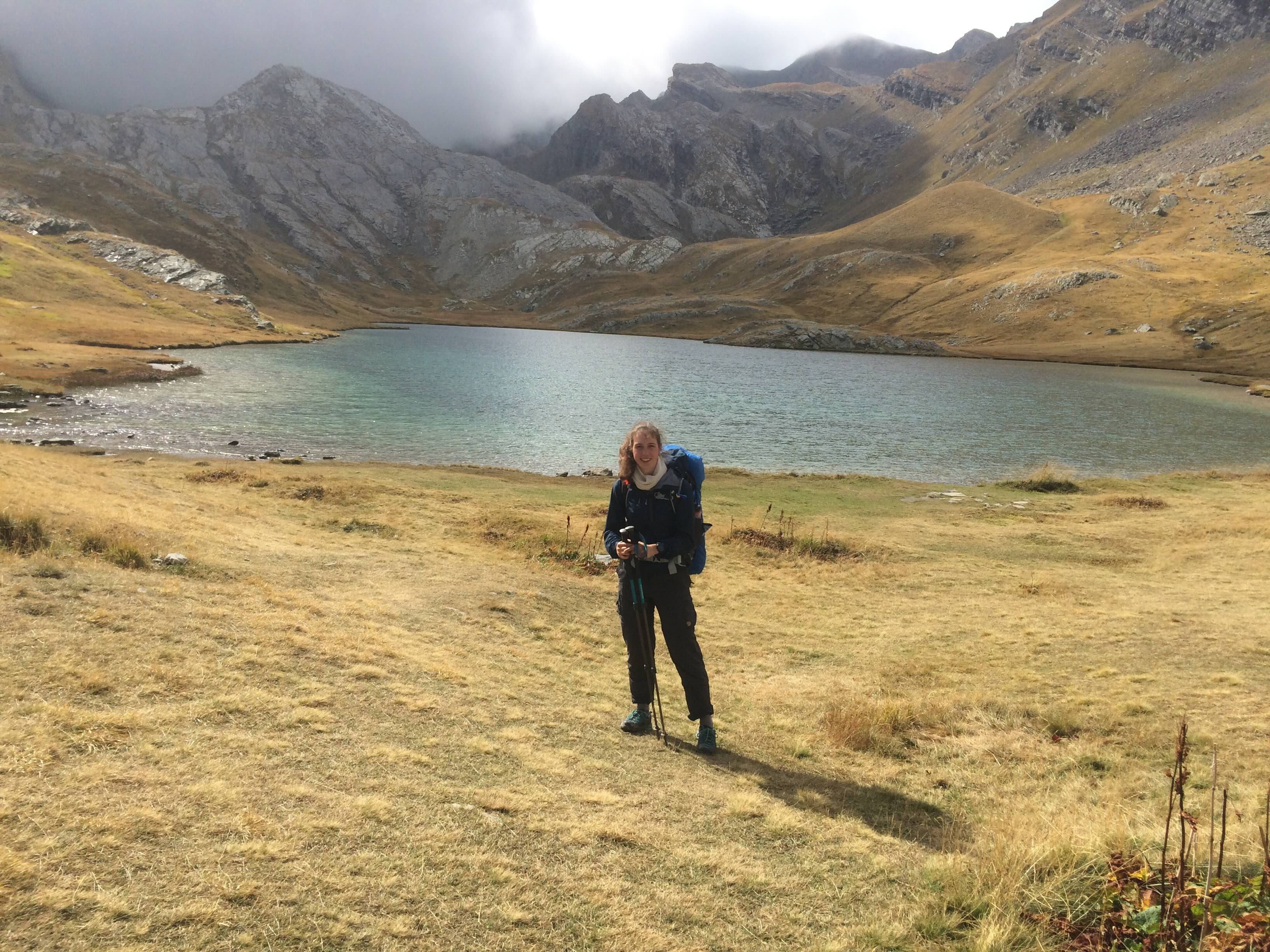
The GTA — Grande Traversata delle Alpi — was the natural follow-up, this time marking the end of my PhD. The concept was similar: walk from Switzerland to the Mediterranean, but through Italy instead of France. The appeal was straightforward: one thing that had bothered me about the GR5 were the stretches through ski resorts and along roads — a lot of infrastructure when what you actually want is untouched nature. From what I had read online, the GTA was more remote and wild, and that settled it.
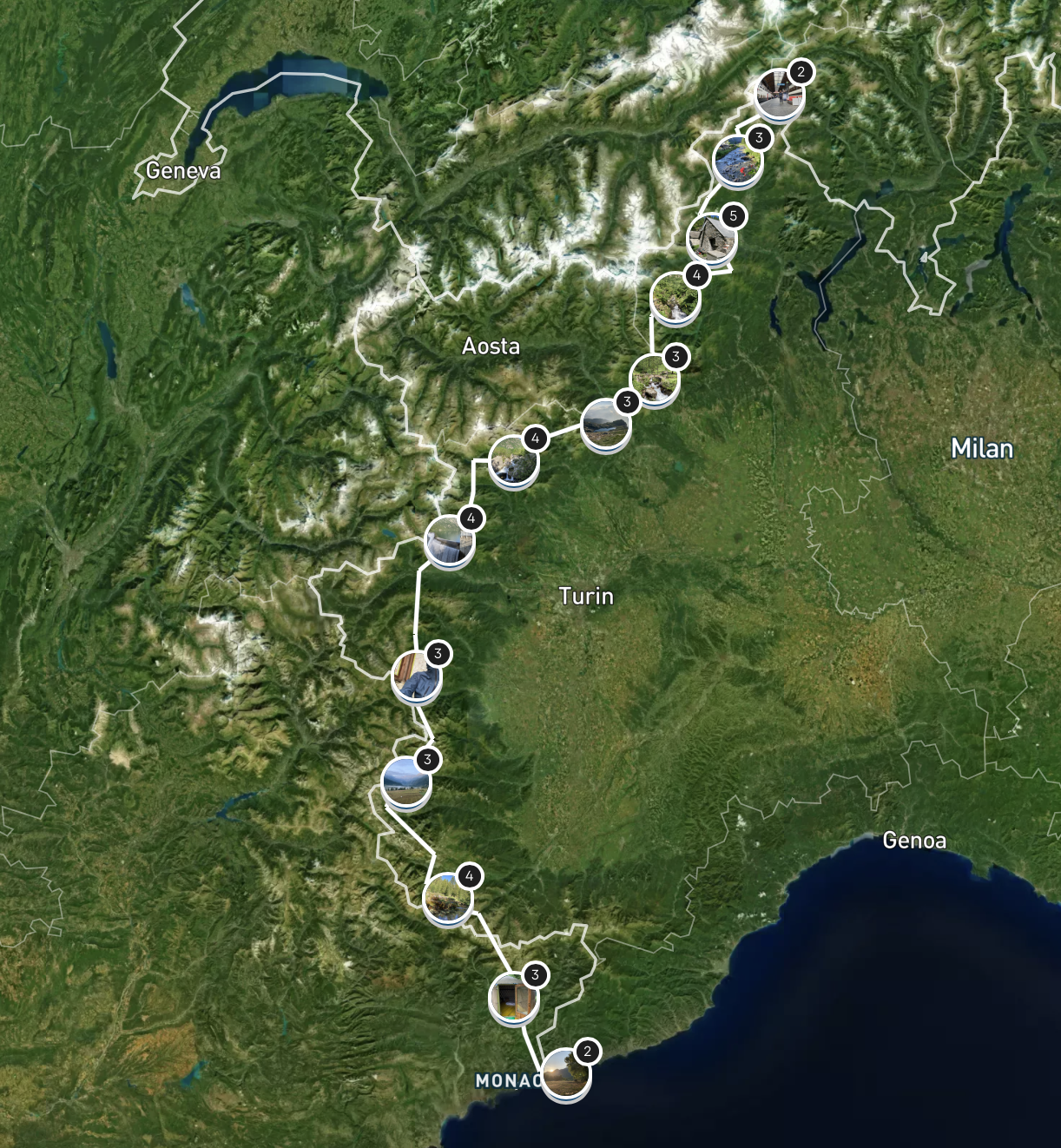
From the start, things did not go as planned. It was a year with an exceptional amount of late spring snow, and most passes above 2000m were not snow-free until mid-July. I had initially wanted to start a week earlier, but had to postpone because of the conditions. When I did set off, the first three weeks were genuinely tough: wet shoes almost permanently, a lot of improvisation around snowed-out passes, a steeper trail than anticipated, and more ticks than I care to remember. Then around the three-week mark things shifted — the weather improved, the snow was no longer an issue, more GTA hikers appeared on the trail, and the daily distances I could cover grew considerably.
Unlike the GR5, where I had a hard deadline — my Masters graduation, which I made with five days to spare, more or less as planned — the GTA had a wedding to get back for. I ended up finishing a week early, partly because I had seen enough and was ready to go home, and partly by taking a shortcut through France that conveniently passed through the Vallée des Merveilles in the Mercantour — one of my favourite stretches of the GR5 that I was happy to hike through again.
The honest part
Both hikes went reasonably well overall, but it would be doing a disservice to only talk about the highlights. A few things are worth mentioning for anyone considering something similar.
The body adapts remarkably well to the load — the first seven to ten days are hard, but after that the distances and elevation you can tackle in a day increase drastically. The bigger ongoing struggle is the cumulative fatigue: you are losing weight, not sleeping at your best, and your feet are slowly accumulating enough calluses to qualify as a geological formation. On the GTA, the ticks were a particular low point. Never having had one before in my life, accumulating over five in three weeks was unsettling, especially when I found one lodged between my toes that I hadn’t noticed immediately. I spent a good portion of the following days worrying about borreliosis.
Then there is the solitude. Six weeks alone on the GTA was, frankly, too much — a good reminder that human contact matters more than you might think when you are used to having it. Three to four weeks feels like a better sweet spot. On the more absurd end of things, I found that the long stretches of walking left less room for deep reflection than I had anticipated — you are mostly focused on the trail in front of you. Out of what I can only describe as boredom, I spent a significant amount of time singing the same song extract on loop, sometimes for an hour at a stretch.
That said, you do tend to forget the hard parts. The memories that stick are the landscapes, the encounters, and the small daily pleasures that become disproportionately satisfying — the shower at the end becoming a true luxury.
Takeaways
A few things I have taken away from both hikes, for anyone considering something similar. The body adapts to the load faster than you would expect — the first week or so is the hardest, and after that the daily distances start to feel manageable. Pack as light as you can, but not so light that you are miserable: there is a real tradeoff between comfort and weight, and finding the right balance takes some trial and error. And don’t underestimate the social aspect — good company, whether planned or stumbled upon, makes a bigger difference than any piece of gear.
If you are curious about the practical side of things — what to pack, what not to — I will cover that in a separate article. In the meantime, if you are playing with the idea of trying something similar, consider it — you may discover things about life and yourself you never expected, like just how precious a warm shower can be.