Genetic determinants of zinc homeostasis
Genetic determinants of zinc homeostasis
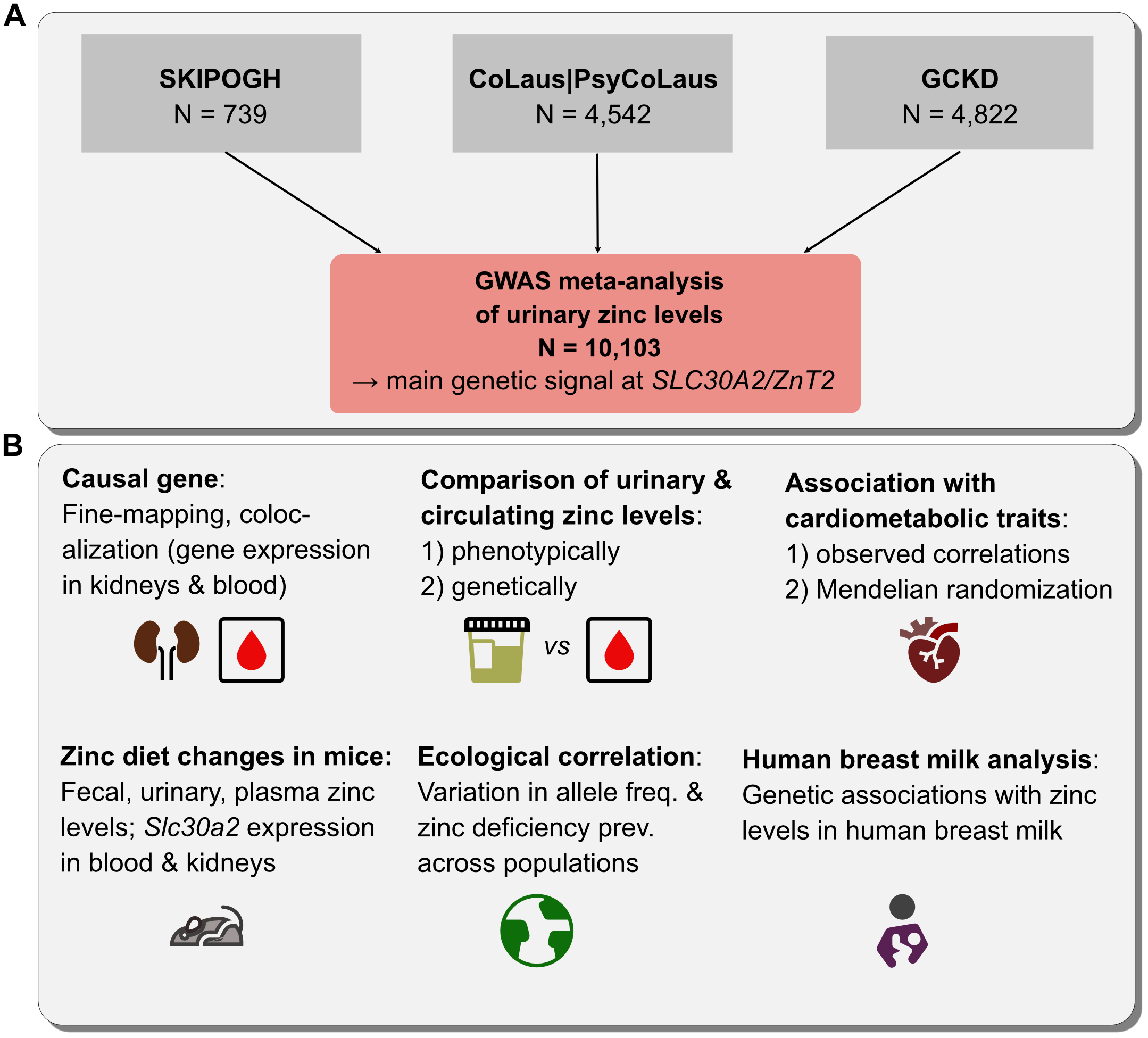
In this study, we analyzed the genetics of zinc and its role in cardiometabolic diseases by conducting a GWAS meta-analysis on urinary zinc levels, comparing results to the genetics of circulating zinc levels and conducting follow-up experiments in mice.
Zinc deficiency can contribute to a range of health issues affecting the immune system, growth, skin, reproduction, and cognitive function.
→ Adequate zinc levels are important, but where you measure them may matter
In this research paper, we show that urinary zinc may be a more sensitive biomarker of mild to moderate zinc deficiency, whereas blood (plasma/serum) zinc may mainly reflect more severe deficiency.
Key takeaways:
→ We observe that an unfavourable cardiometabolic profile (e.g., diabetes, high blood pressure, higher lipid levels) is associated with higher urinary zinc levels
→ Genetic analyses show that kidney transporters help regulate zinc excretion and may contribute to relatively stable blood zinc levels, therefore potentially hiding mild deficiencies when measured in blood
→ Urinary and plasma zinc levels correlate poorly, and their genetic architectures differ
→ In mouse experiments, dietary zinc deficiency reduced urinary, but not plasma zinc levels